How to Repair a Damaged Skin Barrier: Signs, Causes and Skincare Tips
Does your skin sometimes feel tight, dry, rough, or unusually sensitive after washing your face? Do products that once felt comfortable now cause stinging or irritation? These experiences can sometimes indicate that your skin barrier needs extra care.
Your skin barrier plays an essential role in maintaining hydration and protecting your skin from external irritants. When this protective layer is disrupted, your skin may lose moisture more easily and become uncomfortable or reactive.
The good news is that simple skincare habits can help support your skin barrier. Understanding what causes irritation, choosing gentle products, and avoiding unnecessary treatments are important first steps.
Damaged Skin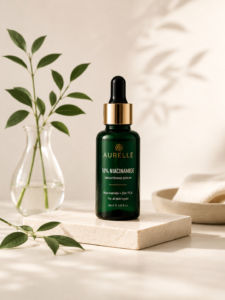
In this guide, we will explain how to repair a damaged skin barrier, recognize common signs of barrier disruption, understand the role of ceramides, and build a simple skincare routine that supports healthier-looking skin.
At Aurelle, we believe that effective skincare begins with understanding your skin’s needs. Rather than adding more products whenever a concern appears, the first step is often to simplify your routine and give your skin appropriate care.
What Is the Skin Barrier?
The skin barrier is the outermost protective part of your skin, primarily associated with the outer layer of the epidermis, known as the stratum corneum.
You can think of it as a protective wall. Skin cells form the structural components, while lipids—including ceramides, cholesterol, and fatty acids—help fill the spaces between those cells.
Damaged Skin
Together, these components help the skin retain moisture and protect it from many external irritants.
A healthy skin barrier helps:
- Reduce excessive water loss from the skin.
- Maintain hydration and skin comfort.
- Protect against environmental irritants.
- Support the skin’s normal protective functions.
- Maintain a smoother, more comfortable skin surface.
When the skin barrier becomes disrupted, moisture can escape more easily, and the skin may become dry, irritated, or sensitive.
However, dryness and sensitivity can have several causes. Not every skin concern means your barrier is damaged, and persistent symptoms may need professional assessment.
What Are the Signs of a Damaged Skin Barrier?
Recognizing changes in your skin can help you decide when to simplify your skincare routine.
1. Dryness and Tightness
One common sign of barrier disruption is skin that feels dry, tight, or uncomfortable, especially after cleansing.
This may happen when the skin loses moisture more easily or when products remove too much of its natural surface lipids.
A gentle cleanser and an appropriate moisturizer can help improve comfort.
2. Flaking or Rough Texture
When the skin is dry or irritated, its surface may appear rough, flaky, or uneven.
Although moisturizers can help with dryness, persistent flaking may also be associated with conditions such as eczema or dermatitis. Avoid assuming that every case of flaking is caused by a damaged barrier.
3. Increased Sensitivity
You may notice that products sting or cause discomfort when applied to your skin.
This can occur when the skin is irritated, but it can also indicate sensitivity to a particular ingredient or an underlying skin condition.
If a product repeatedly causes burning or irritation, stop using it rather than trying to push through the reaction.
4. Redness or Irritation
Some people experience redness, itching, or a burning sensation when their skin becomes irritated.
These symptoms are not specific to barrier damage. Allergic reactions, eczema, rosacea, and other conditions can produce similar symptoms.
If redness or discomfort persists, worsens, or keeps returning, consult a qualified healthcare professional.
5. Skin That Feels Uncomfortable After Washing
If your face consistently feels tight or uncomfortable after cleansing, your cleanser may be too harsh for your skin.
Frequent washing, hot water, aggressive scrubbing, and strong cleansing products can contribute to dryness and irritation.
Consider switching to a gentle cleanser and avoiding unnecessary washing.
What Causes a Damaged Skin Barrier?
Several everyday habits and environmental factors can contribute to skin barrier disruption.
1. Overusing Exfoliating Products
Exfoliating ingredients, including salicylic acid and other exfoliating acids, can be useful for particular skin concerns. However, excessive use may cause dryness and irritation.
Using multiple exfoliants together or applying them more frequently than directed can make irritation more likely.
What to do: Pause unnecessary exfoliating products if your skin is irritated. Once your skin is comfortable again, consider reintroducing appropriate products gradually and according to their instructions.
2. Using Too Many Active Ingredients
Layering several strong skincare products can make it difficult to understand what your skin tolerates.
For example, combining multiple exfoliating products with other potentially irritating treatments may increase the risk of dryness or redness.
What to do: Simplify your routine to a gentle cleanser, moisturizer, and sunscreen. Add targeted products only when your skin is comfortable and you have a clear reason to use them.
3. Using Harsh Cleansers
Some cleansers may strip too much oil from the skin, particularly when used frequently or alongside other irritating products.
A cleanser that leaves your face feeling tight or uncomfortable may not be the best choice for you.
What to do: Choose a gentle cleanser suited to your skin and wash with lukewarm water. Avoid aggressive scrubbing.
4. Environmental Factors
Cold weather, low humidity, wind, and dry indoor air can contribute to skin dryness.
Hot weather and excessive sweating can also make some skin conditions more uncomfortable.
What to do: Adjust your skincare routine according to the environment. Use an appropriate moisturizer and avoid excessive heat or other factors that worsen your symptoms.
5. Skipping Moisturizer
Moisturizers help reduce water loss and improve skin comfort. Skipping moisturizer when your skin is dry or irritated may make it harder to maintain hydration.
What to do: Choose a moisturizer that suits your skin type and use it consistently according to its directions.
6. Scrubbing or Washing Too Frequently
Rough washcloths, abrasive scrubs, very hot water, and excessive cleansing can irritate the skin.
What to do: Be gentle. Use your hands to cleanse, avoid unnecessary friction, and pat your face dry rather than rubbing it aggressively.
7. Underlying Skin Conditions
Conditions such as eczema, contact dermatitis, and rosacea can cause dryness, redness, itching, and sensitivity.
These concerns may require more than a basic skincare routine.
What to do: Seek medical advice if your symptoms are persistent, severe, recurrent, or accompanied by significant discomfort. Do not rely solely on cosmetic products to treat an underlying skin condition.
How to Repair a Damaged Skin Barrier: Step-by-Step Routine
Supporting your skin barrier does not require a complicated routine. A simple, consistent approach can help reduce unnecessary irritation while your skin recovers.
Step 1: Simplify Your Skincare Routine
Start by identifying products that may be contributing to irritation.
Consider temporarily pausing nonessential exfoliants, scrubs, strong active treatments, and products that cause discomfort.
Keep the focus on gentle cleansing, moisturizing, and daytime sun protection.
Simplifying your routine makes it easier to observe how your skin responds.
Step 2: Use a Gentle Cleanser
Choose a cleanser that removes dirt and excess oil without leaving your skin feeling stripped.
Look for a formula that suits your skin’s needs and does not cause persistent tightness or discomfort.
Use lukewarm water and avoid washing your face more frequently than necessary.
If even gentle cleansing causes significant discomfort, seek advice rather than repeatedly testing new products.
Step 3: Apply a Suitable Moisturizer
Moisturizing is an important step in supporting skin barrier recovery.
A suitable moisturizer helps maintain hydration and reduce moisture loss. Depending on its formulation, it may also help soften rough skin and improve comfort.
Look for products containing moisturizing ingredients such as glycerin, ceramides, or petrolatum, if appropriate for your skin.
Apply the moisturizer according to its instructions, particularly after cleansing when your skin may benefit from hydration.
Step 4: Protect Your Skin From the Sun
Sun exposure can contribute to skin damage and may worsen some forms of irritation or pigmentation.
Use a broad-spectrum sunscreen with SPF 30 or higher during daytime exposure, alongside shade and protective clothing.
If your current sunscreen stings or irritates your skin, stop using that product and consider a suitable alternative. Persistent reactions should be discussed with a healthcare professional.
Step 5: Avoid Introducing New Active Ingredients Too Quickly
While your skin is irritated, avoid experimenting with several new serums or treatments.
Ingredients that may be useful in other circumstances can still cause discomfort when your skin is sensitive.
Wait until your skin is comfortable before considering the gradual reintroduction of targeted products. Follow the instructions for each product, and introduce only one new product at a time.
Step 6: Maintain a Consistent Routine
Frequent product changes can make it difficult to determine what helps your skin.
Keep your routine simple and monitor changes in dryness, redness, tightness, and comfort.
If your symptoms are not improving or are getting worse, consult a dermatologist rather than continuing to experiment with cosmetic products.
Best Ingredients for Supporting the Skin Barrier
Certain ingredients are commonly used in skincare formulations to support hydration and reduce moisture loss. The best choice depends on your skin’s needs and the overall formulation.
1. Ceramides
Ceramides are lipids naturally found in the skin barrier. They help support its structure and reduce excessive moisture loss.
Skincare products containing ceramides can help support skin hydration and barrier function.
Ceramides are especially relevant when choosing a moisturizer for dry or uncomfortable skin, although individual products and results vary.
2. Glycerin
Glycerin is a humectant, meaning it attracts water and helps maintain skin hydration.
It is widely used in moisturizers and cleansers because it can help improve the feeling of dryness and maintain skin comfort.
3. Hyaluronic Acid
Hyaluronic acid is another humectant used in skincare to help attract and retain moisture.
It may help improve the appearance of dehydrated skin, particularly when included in a well-formulated routine with a suitable moisturizer.
Hyaluronic acid and ceramides have different roles, and they can be included in the same skincare routine.
4. Petrolatum
Petrolatum is an occlusive ingredient that helps reduce water loss from the skin.
It can be useful for areas experiencing dryness, although the suitability and texture of a petrolatum-containing product depend on the person and the area where it is applied.
5. Dimethicone
Dimethicone is a silicone-based ingredient used in many moisturizers and skin-protective products.
It helps form a protective layer on the skin’s surface, reducing moisture loss and improving the product’s feel.
6. Niacinamide
Niacinamide, a form of vitamin B3, is used in skincare formulations for several purposes, including supporting the skin barrier.
Some niacinamide products may be suitable for people seeking to maintain hydration and improve the appearance of uneven skin tone.
However, if your skin is already irritated, even a commonly tolerated ingredient may cause discomfort. Start cautiously and prioritize a simple routine.
Why Are Ceramides Important for Skin Barrier Repair?
Ceramides are particularly relevant to skin barrier care because they are naturally present in the outer layer of the skin.
The skin barrier relies on a balance of skin cells and lipids, including ceramides, cholesterol, and fatty acids.
When the barrier is disrupted, products formulated with suitable moisturizing ingredients may help improve hydration and support its function.
Benefits of Ceramide Moisturizers
A well-formulated ceramide moisturizer may help:
- Support the skin barrier.
- Reduce moisture loss.
- Improve dryness and skin comfort.
- Soften rough or flaky-looking skin.
- Maintain hydration as part of a consistent skincare routine.
However, ceramides are not an instant cure for every skin concern. The overall formulation, frequency of use, and underlying cause of irritation all matter.
If your skin is persistently red, itchy, painful, or inflamed, a moisturizer alone may not be sufficient.
How to Build a Skin Barrier Repair Routine
When your skin feels dry or irritated, simplicity is often the most practical starting point.
Morning Routine
1. Gentle cleanser
Use a mild cleanser if needed. If cleansing in the morning makes your skin uncomfortable, adjust the routine according to your skin’s needs.
2. Moisturizer
Apply a suitable moisturizer containing ingredients such as glycerin or ceramides.
3. Sunscreen
Finish with a broad-spectrum SPF 30 or higher sunscreen that your skin tolerates.
Nighttime Routine
1. Gentle cleansing
Remove daily buildup and sunscreen without scrubbing or using excessively hot water.
2. Moisturizer
Apply your chosen moisturizer to help maintain hydration and reduce moisture loss overnight.
3. Avoid unnecessary treatments
While your skin is irritated, keep the routine simple and pause products that may worsen symptoms.
You do not need multiple serums, masks, or exfoliating treatments to support your skin barrier.
How Long Does Skin Barrier Repair Take?
There is no universal timeline for skin barrier recovery.
Mild dryness caused by a product that is too harsh may improve after the irritating product is discontinued and a suitable moisturizing routine is established.
More significant irritation or an underlying skin condition may take longer and require medical treatment.
The time needed depends on the cause, severity, individual skin characteristics, and the products or treatments used.
To support recovery:
- Avoid products that cause irritation.
- Use a gentle cleanser and moisturizer.
- Protect your skin from excessive sun exposure.
- Avoid aggressive exfoliation.
- Monitor your symptoms.
- Seek professional advice if your skin is not improving.
Do not judge recovery solely by appearance. Comfort, reduced irritation, and improved hydration are also important.
Common Skin Barrier Repair Mistakes to Avoid
1. Continuing to Use Products That Cause Burning
Persistent burning or irritation is not a sign that a skincare product is working. Stop using products that repeatedly cause discomfort.
2. Exfoliating to Remove Flaky Skin
Scrubbing or peeling flaky skin can increase irritation. Avoid forcefully removing flakes and focus on gentle cleansing and moisturizing.
3. Adding Too Many Repair Products at Once
Using several new creams, serums, and treatments simultaneously can make it difficult to identify a reaction.
Introduce products gradually and keep your routine simple.
4. Assuming Every Reaction Is Barrier Damage
Redness, itching, and dryness may have different causes, including allergic reactions or skin conditions. Persistent symptoms deserve appropriate assessment.
5. Ignoring Sunscreen
Sun protection remains an important part of daytime skin care. Choose a product your skin tolerates and use it according to its directions.
6. Expecting Immediate Results
Skincare is not always an overnight process. Give a suitable routine time to work, but seek medical advice if symptoms persist or worsen.
Frequently Asked Questions About Skin Barrier Repair
1. How do I know if my skin barrier is damaged?
Possible signs include dryness, tightness, flaking, redness, and increased sensitivity. These symptoms can also occur with other skin conditions, so they do not confirm barrier damage on their own.
2. What is the fastest way to repair a damaged skin barrier?
There is no guaranteed instant solution. A practical first step is to stop products that irritate your skin, use gentle cleansing and moisturizing, and protect your skin from excessive sun exposure. Persistent symptoms may require medical care.
3. Are ceramides good for skin barrier repair?
Ceramides are lipids that help support the skin barrier. Moisturizers containing ceramides may improve hydration and help maintain barrier function, depending on the formulation.
4. Should I stop using active ingredients if my skin is irritated?
Consider pausing nonessential active ingredients that may be contributing to irritation. If a product is prescribed by a healthcare professional, ask them before changing your treatment.
5. Can I use niacinamide when my skin barrier is damaged?
Some people tolerate niacinamide well, but it can still cause discomfort in certain formulations. When your skin is irritated, prioritize a simple routine and consider reintroducing optional active products only when your skin is comfortable.
6. Does a damaged skin barrier cause acne?
Barrier disruption can occur alongside acne, but acne has multiple causes and is not simply a result of a damaged barrier. If you have persistent acne, seek appropriate advice rather than relying on barrier repair products alone.
7. Can I use moisturizer every day?
Yes. A suitable moisturizer can be used regularly according to its instructions to help maintain hydration and skin comfort.
8. How long should I wait before using exfoliants again?
There is no fixed timeline. Consider reintroducing exfoliants only when your skin is comfortable and no longer showing signs of active irritation. Start gradually and follow the product directions. If symptoms persist, consult a dermatologist.
9. Is a ceramide moisturizer suitable for oily skin?
It may be. Oily skin can still benefit from moisturizing, and ceramides can be included in lightweight as well as richer formulations. Choose a texture that suits your skin.
10. When should I consult a dermatologist?
Seek professional advice if you experience persistent or worsening redness, significant itching, swelling, pain, cracking, oozing, or repeated reactions to skincare products. These symptoms may indicate a condition requiring specific treatment.
Final Thoughts: Support Your Skin Barrier With Thoughtful Skincare
Your skin barrier plays an important role in maintaining hydration, comfort, and protection from external irritants. When your skin becomes dry or irritated, a simpler skincare routine may be more useful than adding more products.
Focus on gentle cleansing, a suitable moisturizer, and consistent sun protection. Ingredients such as ceramides and glycerin can help support hydration, while avoiding irritating products gives your skin a better chance to recover.
Remember that persistent skin problems may need professional care, and cosmetic products cannot replace medical treatment when an underlying condition is present.
At Aurelle, we believe in science-driven skincare that focuses on your skin’s actual needs. A thoughtful routine built around gentle care and suitable ingredients can help support healthier-looking, more comfortable skin.
Explore the Aurelle skincare collection to discover products designed to complement your daily routine, including our Barrier Repair Ceramide Moisturizer.